
Discover the truth about liver detox for weight loss in 2026. Learn science-backed strategies to boost metabolism, reduce liver fat, and achieve sustainable results.
The Missing Link in Your Weight Loss Journey
Introduction: What If You’ve Been Missing the Most Important Piece?
Let me ask you something—have you ever felt like you’re doing everything right but the scale just won’t cooperate?
You’ve tried every diet that exists. You’ve counted calories until your eyes crossed, cut carbs until you dreamed about bread, and spent what feels like a lifetime on the treadmill. Yet that number on the scale? It refuses to budge. Or worse, it creeps up despite your best efforts.
I’ve been there. And I know how incredibly frustrating it is.
But here’s what I’ve learned: the missing piece might not be what you’re eating at all. It might be how your body processes what you consume. And that comes down to one organ you’ve probably never given much thought to—your liver.
Read More: How to Cleanse Liver for Weight Loss: The Ultimate Science-Backed Guide
Your Liver: The Unsung Hero of Weight Loss
What Your Liver Actually Does for You (And It’s a Lot)
Think of your liver as your body’s 24/7 operations center. This remarkable organ—about the size of a football—sits quietly in your upper right abdomen, working tirelessly while you go about your day. It performs over 500 vital functions, including:
- Filtering your blood: It’s like a high-tech purification system, removing toxins before they can circulate through your body
- Breaking down fats: Produces bile that digests fats and processes dietary fats for energy
- Keeping your blood sugar stable: Stores glycogen and releases glucose when you need energy
- Storing essential nutrients: Holds onto vitamins A, D, E, and K for when your body needs them
- Making critical proteins: Produces proteins for blood clotting and immune function.
Here’s something that might surprise you: your liver is your built-in detoxification system, working around the clock without any help from expensive juices or supplements. Claims that your liver needs extra help to “detoxify” are often misleading marketing tactics—your liver is already equipped to handle the job just fine.
Why Your Liver Matters for Your Weight
In 2026, we understand the liver-weight connection better than ever before. When your liver is healthy and happy, it:
- Efficiently processes fats
- Keeps your blood sugar stable, reducing those annoying cravings
- Regulates hormones that control your appetite
- Prevents fat from accumulating in your cells
But when your liver is overburdened? That’s when the trouble starts. Metabolic dysfunction sets in, weight loss becomes an uphill battle, and weight gain feels inevitable. This is especially relevant given the rise of Metabolic Dysfunction-Associated Steatotic Liver Disease (MASLD)—which you might know by its older name, non-alcoholic fatty liver disease.
The Truth About Liver Detox: What Actually Works
Let’s Bust Some Detox Myths
If you’ve searched for “liver detox for weight loss,” you’ve probably seen claims like:
- “Drink this special juice to cleanse your liver!”
- “This 7-day cleanse reverses years of poor eating!”
- “Our detox product is the secret to rapid weight loss!”
Here’s the honest truth: There is no scientific evidence that liver cleanses are effective for weight loss or liver health. According to hepatologists at Johns Hopkins, liver cleanses are not recommended because they lack clinical evidence and aren’t regulated by the FDA.
What’s Really Happening During a “Detox”
That weight you lose during a liver cleanse? It’s typically due to:
- Severe calorie restriction: Very low-calorie diets cause temporary weight loss
- Water loss: Diuretics and laxatives in cleanse products make you lose fluid
- Less food in your system: Simply eating less means less weight in your digestive tract
But here’s the kicker—this isn’t real weight loss. It’s not fat reduction. Once you resume normal eating, the weight comes right back. And some detox products can actually harm your liver through drug-induced injury. Not exactly what you signed up for, right?
What Science Says About Liver Health in 2026
Understanding Metabolic Dysfunction-Associated Steatotic Liver Disease (MASLD)
MASLD is the modern term for what used to be called non-alcoholic fatty liver disease. This condition develops when fat builds up in your liver due to:
- Obesity
- Type 2 diabetes
- High cholesterol
- High blood pressure
The numbers are staggering—about 75% of adults with obesity have MASLD, and roughly one-third have the more serious form, MASH. This represents a major public health challenge we’re facing right now.
The Latest Research: What Really Works for Liver Health
Recent 2026 research has given us fascinating insights into how different approaches affect liver fat:
Ketogenic diets: A study in the Journal of Hepatology found that despite similar calorie deficits, a ketogenic diet reduced liver fat 45% more than a non-ketogenic diet and improved insulin sensitivity three times more. However, researchers caution that keto should be approached carefully, especially if you have advanced liver issues, due to metabolic features that could increase susceptibility to liver injury.
Green tea compounds: Research on EGCG (the main polyphenol in green tea) shows it effectively reduces body weight and liver fat. But high doses can cause liver toxicity. A 2026 study found that combining low-dose EGCG with L-theanine (another tea compound) achieves similar benefits while avoiding liver damage.
Natural plant extracts: A 2026 study demonstrated that extracts from Bambusa vulgaris leaves significantly reduced obesity and liver issues by activating AMPK (a key metabolic enzyme) and improving how your body handles fats and carbohydrates.
Sustainable Liver Health Strategies That Actually Work
1. Weight Loss: The Cornerstone of Liver Health
Weight loss is truly the foundation of improving liver health. Research shows:
- Losing 3-5% of your body weight: Begins to reduce fat accumulation in your liver
- Losing 5-10% of your body weight: Can significantly improve liver conditions, reducing inflammation and scarring
- Even 3% weight loss helps if you’re not overweight
The approach that works best is steady, sustainable weight loss of 1-2 pounds per week through consistent diet and exercise habits.
2. The Mediterranean Diet: Your Best Bet
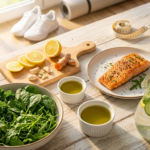
The Mediterranean diet is currently the dietary pattern most proven to improve fatty liver disease. And the best part? It’s delicious and sustainable. This approach:
- Is rich in fruits, vegetables, and whole grains
- Uses olive oil as the primary fat source
- Includes lean proteins like fish and poultry
- Is high in fiber, vitamins, minerals, and polyphenols (plant compounds with antioxidant properties)
What to Eat on the Mediterranean Diet
Load up on these foods:
| Food Category | How Much |
|---|---|
| Vegetables | At least 3 servings daily (go for non-starchy options) |
| Fruits | At least 2 servings daily (fresh, frozen, or canned in their own juice) |
| Fish and Seafood | 3+ servings per week (salmon, tuna, sardines) |
| Poultry and Eggs | Good protein sources—remove skin from chicken |
| Legumes and Beans | 3+ servings per week |
| Whole Grains | Choose 100% whole grain options |
| Nuts and Seeds | 4 servings per week (almonds, walnuts, chia seeds) |
| Healthy Fats | Olive oil, grapeseed oil, avocado oil |
Avoid these foods:
- Highly processed foods
- Sugary foods and drinks
- Refined carbohydrates (white bread, baked goods)
- Foods high in saturated fat
- Red and processed meats
- Alcohol
3. The Plate Method: Make Meal Planning Simple
Here’s an easy way to build your meals:
- Fill half your plate with non-starchy vegetables or fruits
- Fill a quarter of your plate with whole grains or starchy vegetables
- Fill the remaining quarter with protein-rich foods (fish, poultry, beans)
4. Exercise: Non-Negotiable for Liver Health
Physical activity is essential for liver health—even before you lose weight. Exercise:
- Directly reduces liver fat
- Prevents liver scarring
- Helps manage conditions associated with fatty liver
Aim for at least 150 minutes of moderate-intensity physical activity per week. That’s just 30 minutes, 5 days a week. Walking, swimming, gardening—whatever movement you enjoy counts. Adding strength training 2-3 times per week is also beneficial for building muscle and improving metabolism.
Supplements: Proceed with Caution
Supplements to Avoid
The FDA doesn’t regulate detox supplements for safety or efficacy. Some products:
- Contain hidden medications that require prescriptions
- Can cause serious drug interactions
- May actually damage your liver
Some herbal supplements marketed for liver cleansing have been linked to liver damage. High-dose green tea extract supplements (typically over 800mg/day of EGCG) have been associated with elevated risk of acute liver injury.
Potentially Beneficial Compounds (But Ask Your Doctor First)
While research is preliminary, some compounds show promise:
Milk thistle: May decrease liver inflammation, but we need more human studies.
Turmeric extract: Has shown protective effects against liver injury, but again, more research is needed.
EGCG + L-theanine: A 2026 study suggests this combination may support metabolic health and liver health when used at appropriate doses.
Vitamin E: For certain non-diabetic patients with significant liver inflammation, doctors may prescribe Vitamin E as an antioxidant treatment—but this requires medical supervision.
Critical note: Only take vitamins or supplements for liver health if recommended by a healthcare professional. Your doctor knows your health history and can guide you safely.
Medications: The New Frontier in 2026
Medical advancements in 2026 are transforming how we treat obesity-related liver conditions:
Survodutide: A medication that’s shown remarkable results, with 84.2% of patients achieving ≥30% reduction in liver fat content and an average weight loss of 12.2%.
GLP-1 Receptor Agonists: Medications like semaglutide and tirzepatide, originally developed for diabetes and weight loss, have been found to significantly reduce liver fat and ease liver inflammation.
Resmetirom: Conditionally approved by the FDA for treating MASH with moderate-to-advanced liver fibrosis.
These medications are typically prescribed when lifestyle changes aren’t enough and should only be used under medical supervision.
Comparing Your Options for Liver Health
| Approach | Effectiveness | Safety | Can You Stick With It? |
|---|---|---|---|
| Commercial “Liver Cleanse” | Temporary water/calorie loss only | Potentially harmful | No—it’s not sustainable |
| Mediterranean Diet | Proven to reduce liver fat | Safe | Yes—it’s delicious and sustainable |
| Weight Loss (5-10%) | Reverses liver inflammation | Safe with gradual approach | Yes—with lifestyle changes |
| Exercise | Reduces liver fat directly | Safe | Yes—find activities you enjoy |
| Prescription Medications | Significant fat reduction | Requires medical supervision | Ongoing treatment |
| Evidence-Based Supplements | Limited clinical data | Variable by compound | May require supervision |
Your 2026 Liver Health Action Plan
Step 1: Assess Your Current Situation
Before starting any plan, ask yourself:
- Do you have risk factors for MASLD (obesity, type 2 diabetes, high cholesterol)?
- Have you experienced unexplained weight gain?
- Do you drink alcohol in excess?
- Have you been screened for hepatitis C?
If you have risk factors, speak with your physician about screening for liver disease—chronic liver disease can be silent for years.
Step 2: Start with Sustainable Changes
Begin with these core strategies:
- Adopt a Mediterranean-style diet using the plate method
- Aim for gradual weight loss (1-2 lbs/week)
- Exercise 150+ minutes weekly
- Limit alcohol consumption (or eliminate it if you have liver concerns)
- Avoid processed foods and added sugars
Step 3: Consider Professional Support
For some people, lifestyle changes aren’t enough. If you have:
- Diagnosed MASLD or MASH
- Significant obesity (BMI ≥30)
- Difficulty losing weight despite lifestyle changes
Consult a healthcare provider about potential medication options and professional weight loss support.
Step 4: Monitor Your Progress
- Schedule regular check-ups with your healthcare provider
- Have liver enzymes (ALT/AST) checked as recommended
- Consider liver ultrasound if advised by your doctor
- Track your weight and waist circumference
Your Real Detox Journey Starts Now
Liver detox for weight loss isn’t about expensive juices, dangerous supplements, or unsustainable restrictions. It’s about supporting your liver’s natural function through evidence-based lifestyle changes that also happen to be the most effective weight loss strategies available.
In 2026, we know that:
- Your liver is your body’s natural detoxification system
- Weight loss is the most effective treatment for liver conditions like MASLD
- The Mediterranean diet is the gold standard for liver and metabolic health
- Exercise directly reduces liver fat
- New medications are offering hope for those with more advanced conditions
The best “detox” you can do for your liver is to stop overwhelming it with processed foods, excess sugar, and alcohol. Start nourishing it with whole foods, regular movement, and consistent healthy habits. Your liver will reward you with improved metabolism, easier weight loss, and better overall health.
Remember, you’re not just losing weight—you’re giving your body’s most important metabolic organ the support it needs to help you thrive.
Frequently Asked Questions
1. Does liver detox for weight loss really work?
The key is understanding the difference between temporary water loss and real fat reduction. Commercial detox products typically cause short-term weight loss through calorie restriction and dehydration—not by actually “cleansing” your liver. Sustainable weight loss and liver health come from consistent lifestyle changes. Your liver naturally detoxifies your body—it doesn’t need special products to do its job.
2. Can I reverse fatty liver disease?
Yes! In its early stages, fatty liver disease is entirely reversible. Your liver has remarkable regenerative capabilities. Weight loss of 5-10% of your body weight can reduce liver fat and improve inflammation. Weight loss of 7-10% can improve liver scarring. The key is making sustainable lifestyle changes and giving your liver time to heal.
3. What foods support liver health and weight loss?
The Mediterranean diet is the most scientifically supported approach. Eat plenty of vegetables (3+ servings daily), fruits (2+ servings), whole grains, fish (especially fatty fish), and healthy fats like olive oil. Avoid processed foods, sugary drinks, refined carbohydrates, and red/processed meats. Limit alcohol consumption.
4. Are liver detox supplements dangerous?
Some liver detox supplements can be dangerous, particularly those containing herbal ingredients that haven’t been adequately tested. The FDA doesn’t regulate these products for safety or efficacy. Some supplements have been linked to liver damage, and high doses of certain compounds (like green tea extract) can cause liver injury. Always consult a healthcare provider before taking any supplement.
5. How long does it take to see results?
With consistent lifestyle changes, you can typically see significant improvements within 3-6 months. Blood tests (checking liver enzymes ALT/AST) and ultrasound scans can show improvement during this timeframe. Weight loss progress depends on your starting point, the severity of any existing liver issues, and how consistently you follow your plan.
6. Does alcohol affect liver fat?
Yes, significantly. If you have alcoholic fatty liver disease, quitting alcohol is essential. Even for non-alcoholic fatty liver, it’s highly recommended to minimize drinking. Routine alcohol limits are three drinks per day for men and two for women.
7. Can exercise help with liver health without weight loss?
Yes! Research shows exercise can directly reduce liver fat content and improve insulin resistance, even before you see significant weight loss. Aim for 150 minutes of moderate-intensity aerobic exercise weekly, plus strength training 2-3 times per week.
8. What are the best natural compounds for liver health?
Some compounds show promise in research, but evidence is preliminary. Studies in 2026 have examined EGCG from green tea, L-theanine, and various plant extracts for their effects on metabolism and liver fat. However, these studies are primarily in animal models. Milk thistle and turmeric have some positive research but need more clinical trials. Always talk to your doctor before taking any supplement.
9. Are ketogenic diets good for liver health?
A 2026 study found ketogenic diets may reduce liver fat more effectively than non-ketogenic diets during weight loss. However, researchers noted concerns about increased risk of liver injury, suggesting that keto should be approached cautiously, especially for those with advanced liver disease.
10. When should I see a doctor about my liver health?
See a doctor if you have risk factors like obesity, type 2 diabetes, high cholesterol, or high blood pressure. Also consult a healthcare provider if you’re considering any supplement for liver health—some can interact with medications or cause harm. If you’re experiencing symptoms like unexplained fatigue, jaundice, or abdominal pain, seek medical attention promptly.
Disclaimer: This article is for informational purposes only and does not constitute medical advice. Always consult with a qualified healthcare provider before starting any supplement or significant dietary changes. Liver supplements are not intended to diagnose, treat, cure, or prevent any disease.